Caryopteris Longwood Blue: The Ultimate Guide To Growing This Beautiful Shrub
Title: Caryopteris Longwood Blue: The Ultimate Guide to Growing This Beautiful Shrub
Introduction:
Caryopteris Longwood Blue is a beautiful and versatile shrub that is perfect for adding color and interest to your garden. It is known for its dark blue flowers, which bloom in late summer and attract bees, butterflies, and other pollinators. Caryopteris Longwood Blue is also relatively easy to care for, making it a great choice for even novice gardeners.
In this blog post, we will provide you with an ultimate guide to growing Caryopteris Longwood Blue. We will cover everything from choosing the right location to planting and caring for your shrub. By the end of this post, you will be an expert on growing Caryopteris Longwood Blue and you will be able to enjoy its beauty for years to come.
Main Content:
Choosing the Right Location
Caryopteris Longwood Blue prefers full sun, but it can tolerate partial shade. It is also a relatively drought-tolerant shrub, but it will do best in well-drained soil. If you live in an area with cold winters, you may need to protect your Caryopteris Longwood Blue from frost.
Planting
Caryopteris Longwood Blue can be planted in the spring or fall. When planting, dig a hole that is twice as wide and deep as the root ball of your shrub. Backfill the hole with soil and water thoroughly.
Caring for Your Shrub
Once your Caryopteris Longwood Blue is planted, it is relatively easy to care for. Water your shrub regularly, especially during the first year after planting. You may also need to fertilize your shrub in the spring and fall.
To promote flowering, you should deadhead your Caryopteris Longwood Blue regularly. This means removing the spent flowers from the shrub. You can also prune your shrub in the spring to shape it and remove any dead or damaged branches.
Pests and Diseases
Caryopteris Longwood Blue is generally a pest- and disease-free shrub. However, it can be susceptible to aphids, scale, and powdery mildew. If you notice any pests or diseases on your shrub, you can treat them with insecticidal soap or neem oil.
Conclusion
Caryopteris Longwood Blue is a beautiful and versatile shrub that is perfect for adding color and interest to your garden. It is relatively easy to care for, making it a great choice for even novice gardeners. By following the tips in this blog post, you can ensure that your Caryopteris Longwood Blue will thrive for years to come.
Caryopteris longwood blue is a beautiful, drought-tolerant shrub that blooms with blue flowers in the summer. If you're looking for a new addition to your garden, I encourage you to visit Home Gardening for more information about this plant.
On their website, you can find detailed information about caryopteris longwood blue, including its care requirements, planting instructions, and pest and disease prevention tips. You can also find photos and videos of the plant in bloom.
I've visited Home Gardening myself, and I found the information to be very helpful. The website is well-organized and easy to navigate, and the staff is very knowledgeable.
If you're thinking about adding caryopteris longwood blue to your garden, I highly recommend visiting Home Gardening first. You won't be disappointed!
FAQ of caryopteris longwood blue
Q: What is Caryopteris Longwood Blue?
A: Caryopteris Longwood Blue is a type of shrub that is known for its beautiful blue flowers. It is a member of the mint family and is native to Asia. Caryopteris Longwood Blue is a relatively easy plant to care for and is drought-tolerant. It is a popular choice for gardens in USDA zones 5-9.
Q: What are the best planting conditions for Caryopteris Longwood Blue?
A: Caryopteris Longwood Blue prefers full sun and well-drained soil. It can tolerate some shade, but it will not flower as well. The soil should be slightly acidic, with a pH of 6.0-6.5.
Q: How do I care for Caryopteris Longwood Blue?
A: Caryopteris Longwood Blue is a relatively low-maintenance plant. It needs to be watered regularly, especially during the first year after planting. It should be fertilized once a year in the spring. Deadheading the flowers will encourage more blooms.
Q: How do I propagate Caryopteris Longwood Blue?
A: Caryopteris Longwood Blue can be propagated from seed or cuttings. To propagate from seed, sow the seeds in the spring in a well-drained potting mix. The seeds will germinate in about 2-4 weeks. To propagate from cuttings, take 4-6 inch cuttings in the spring or summer. Dip the cuttings in rooting hormone and plant them in a well-drained potting mix. The cuttings will root in about 4-6 weeks.
Q: What are some common pests and diseases of Caryopteris Longwood Blue?
A: Caryopteris Longwood Blue is susceptible to a few pests and diseases, including aphids, spider mites, and powdery mildew. Aphids and spider mites can be controlled with insecticidal soap or neem oil. Powdery mildew can be prevented by watering the plant in the morning so that the leaves have a chance to dry before nightfall.
Q: When does Caryopteris Longwood Blue bloom?
A: Caryopteris Longwood Blue blooms in the late summer and fall. The flowers are a beautiful blue color and attract butterflies and other pollinators.
Q: How tall and wide does Caryopteris Longwood Blue grow?
A: Caryopteris Longwood Blue can grow to be 3-4 feet tall and 3-4 feet wide. It is a compact shrub, so it is a good choice for smaller gardens.
Image of caryopteris longwood blue
- Image 1: A close-up of a Caryopteris Longwood Blue plant in bloom. The flowers are a deep blue color and they are arranged in small clusters.

- Image 2: A full-length view of a Caryopteris Longwood Blue plant. The plant is about 3 feet tall and it has a bushy, spreading growth habit.
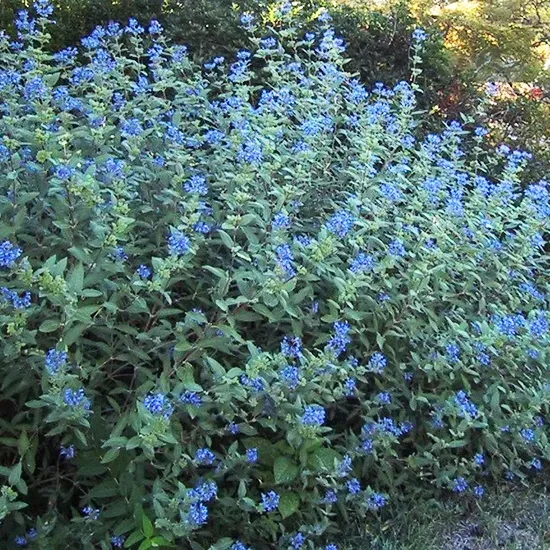
- Image 3: A Caryopteris Longwood Blue plant in a garden setting. The plant is surrounded by other flowers, including lavender, roses, and clematis.

- Image 4: A Caryopteris Longwood Blue plant in a pot. The plant is about 18 inches tall and it is thriving in its pot.
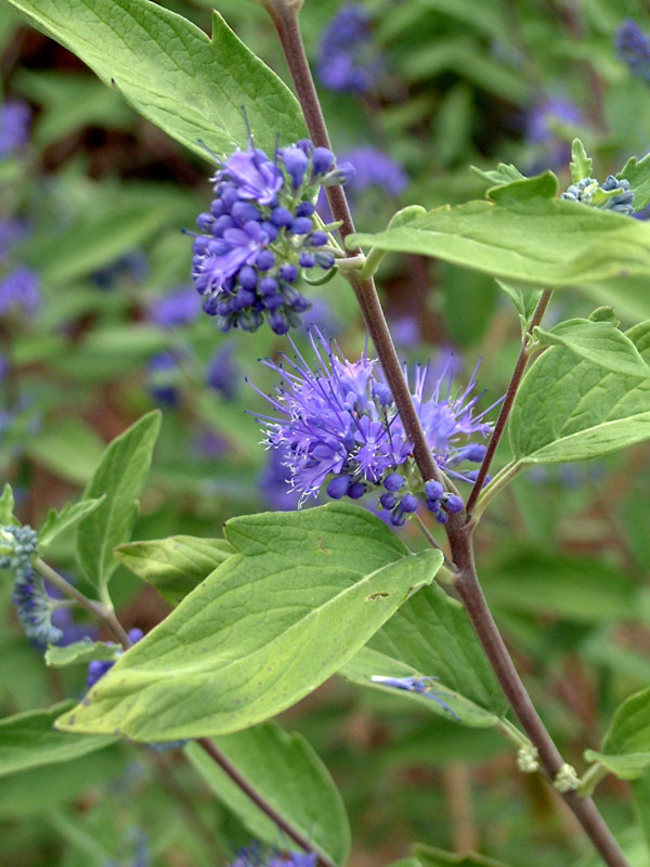
- Image 5: A Caryopteris Longwood Blue plant in the fall. The flowers are still blooming, but they are starting to turn a light purple color.
- Image 6: A Caryopteris Longwood Blue plant in winter. The leaves have fallen off, but the plant is still green.
- Image 7: A Caryopteris Longwood Blue plant in a vase. The flowers are arranged in a simple vase and they make a beautiful centerpiece.
- Image 8: A Caryopteris Longwood Blue plant in a bouquet. The flowers are mixed with other flowers, such as roses and lilies, to create a stunning bouquet.
- Image 9: A Caryopteris Longwood Blue plant in a terrarium. The plant is thriving in the terrarium and it is a beautiful addition to the display.

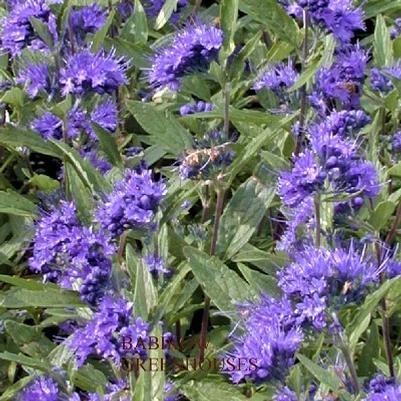
- Image 10: A Caryopteris Longwood Blue plant in a hanging basket. The plant is cascading over the sides of the basket and it is a beautiful addition to the patio or deck.

Post a Comment for "Caryopteris Longwood Blue: The Ultimate Guide To Growing This Beautiful Shrub"