The Best Brussels Sprout Companions
The Best Brussels Sprout Companions
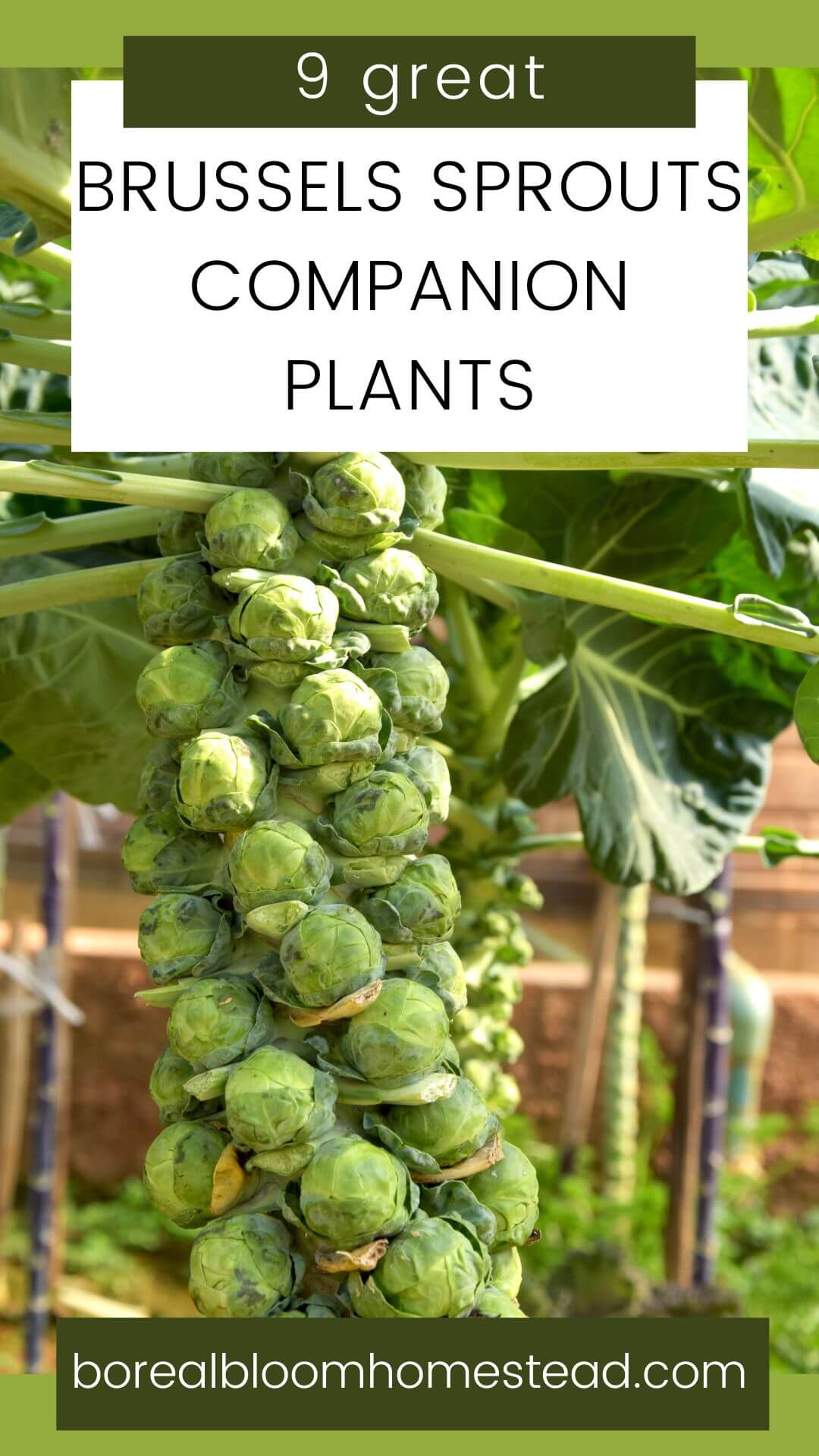
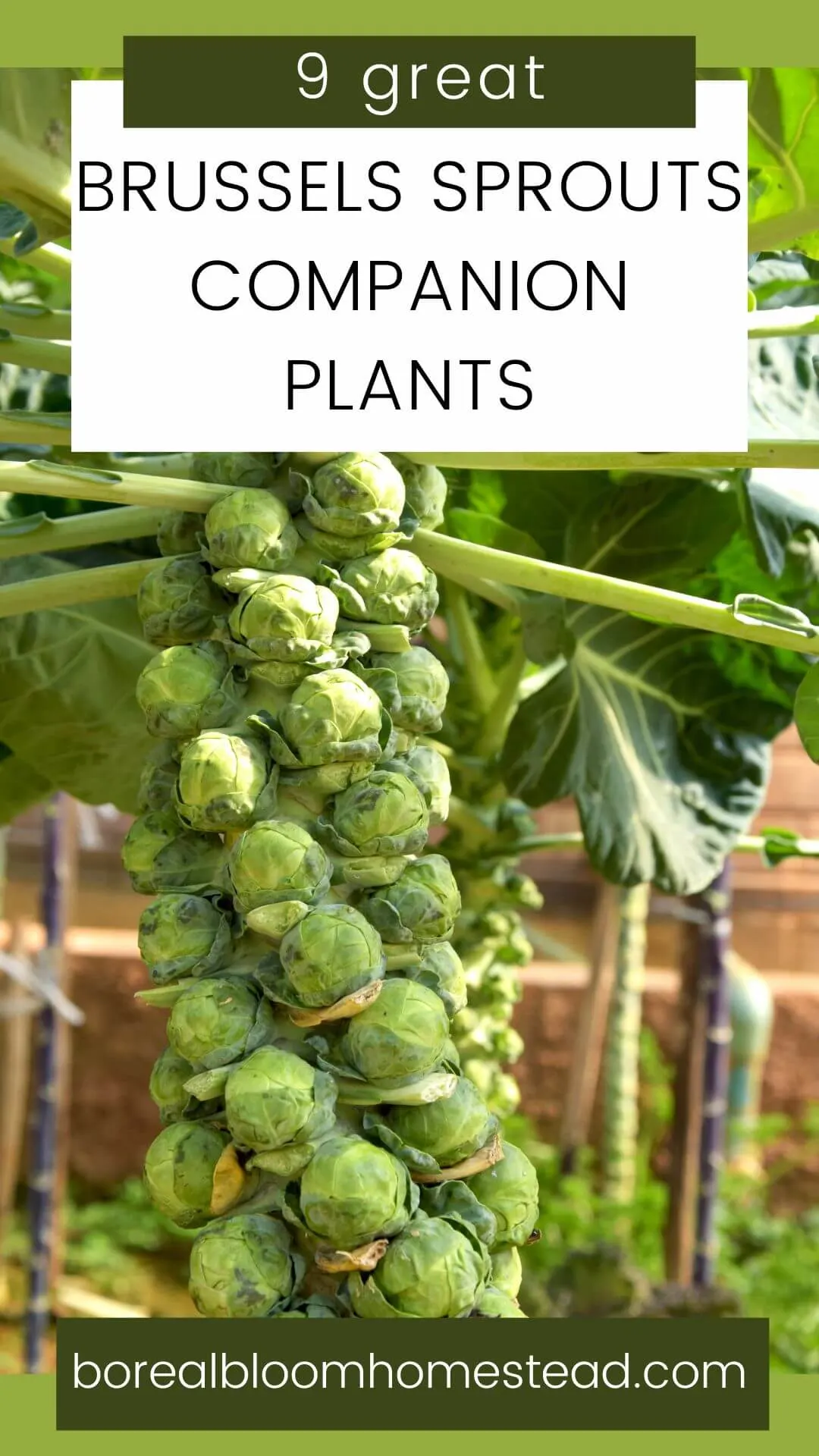
Brussels sprouts are a delicious and nutritious vegetable that can be enjoyed in many different ways. They are also relatively easy to grow, but there are a few things to keep in mind when companion planting them with other vegetables.
In this blog post, we will discuss the best Brussels sprouts companions and why they are a good choice. We will also talk about some plants that should be avoided when planting Brussels sprouts.
Why Companion Plant Brussels Sprouts?
Companion planting is a gardening technique that involves planting certain types of plants together to benefit each other. There are many different reasons why you might want to companion plant Brussels sprouts.
One reason is to deter pests. Some plants, such as marigolds and nasturtiums, have strong scents that can repel pests that would otherwise attack Brussels sprouts.
Another reason to companion plant Brussels sprouts is to improve their growth. Some plants, such as beans and peas, can fix nitrogen in the soil, which can help Brussels sprouts to thrive.
Finally, companion planting can simply make your garden look more attractive. By planting different types of plants together, you can create a more visually appealing space.
What Are the Best Brussels Sprout Companions?
There are many different plants that can be companion planted with Brussels sprouts. Some of the best include:
- Aromatic herbs: Aromatic herbs, such as mint, basil, and dill, can help to deter pests from Brussels sprouts. They also add flavor to the sprouts when they are cooked.
- Alliums: Alliums, such as onions, garlic, and chives, also have strong scents that can repel pests. They can also help to improve the flavor of Brussels sprouts.
- Legumes: Legumes, such as beans and peas, can fix nitrogen in the soil, which can help Brussels sprouts to grow. They can also help to suppress weeds.
- Spinach: Spinach is a cool-season crop that can be planted alongside Brussels sprouts. It does not compete with Brussels sprouts for space or nutrients, and it can help to shade the soil, which can help to prevent it from drying out.
- Carrots: Carrots are another cool-season crop that can be planted alongside Brussels sprouts. They do not compete with Brussels sprouts for space or nutrients, and they can help to improve the flavor of the sprouts.
What Plants Should You Avoid Planting with Brussels Sprouts?
There are a few plants that you should avoid planting with Brussels sprouts. These include:
- Other brassicas: Brussels sprouts are a member of the brassica family, which also includes cabbage, broccoli, and cauliflower. Planting these plants together can increase the risk of pests and diseases.
- Tomatoes: Tomatoes and Brussels sprouts have similar nutrient requirements, so planting them together can lead to competition for resources.
- Potatoes: Potatoes and Brussels sprouts can both be susceptible to the same diseases, so planting them together can increase the risk of infection.
Conclusion
By companion planting Brussels sprouts with the right plants, you can improve their growth, deter pests, and make your garden look more attractive. By avoiding planting Brussels sprouts with the wrong plants, you can reduce the risk of pests and diseases.
With a little planning, you can easily create a Brussels sprouts garden that is both productive and beautiful.
Brussels sprouts are a delicious and nutritious vegetable, but they can be susceptible to pests and diseases. Companion planting is a great way to deter pests and improve the health of your Brussels sprouts plants. Some of the best companion plants for Brussels sprouts include:
- Onions: Onions have a strong aroma that deters pests like cabbage worms and aphids.
- Garlic: Garlic is another strong-smelling plant that repels pests. It also helps to improve the flavor of Brussels sprouts.
- Leeks: Leeks are a member of the onion family and have similar pest-repelling properties.
- Chives: Chives are a versatile herb that can be used in cooking or as a companion plant. They help to attract beneficial insects like ladybugs and hoverflies, which prey on pests.
- Carrots: Carrots help to improve the flavor of Brussels sprouts and can also help to deter pests.
- Chamomile: Chamomile is a flowering plant that has calming properties. It can help to reduce stress in plants, making them more resistant to pests and diseases.
- Peas: Peas are nitrogen-fixing plants, which means they can help to improve the soil quality for your Brussels sprouts plants. They also help to suppress weeds.
If you're looking for more information about companion planting for Brussels sprouts, I recommend visiting Garden Wiki. This website has a comprehensive guide to companion planting, including information on the best plants to grow near Brussels sprouts.
FAQ of brussel sprout companions
Q: What are some good companion plants for Brussels sprouts?
A: Brussels sprouts can be planted with a variety of other vegetables, but some of the best companions include:
- Alliums: Alliums, such as onions, garlic, and chives, help to repel pests that can damage Brussels sprouts, such as cabbage moths and aphids.
- Beets: Beets help to improve the soil's nitrogen content, which can benefit Brussels sprouts.
- Herbs: Herbs, such as rosemary, thyme, and sage, can help to deter pests and add flavor to Brussels sprouts.
- Marigolds: Marigolds help to repel nematodes, which can damage Brussels sprouts' roots.
- Nasturtiums: Nasturtiums help to attract beneficial insects, such as ladybugs, which can help to control pests.
Q: What are some plants that should not be planted near Brussels sprouts?
A: There are a few plants that should not be planted near Brussels sprouts, as they can compete for nutrients or attract pests. These plants include:
- Cabbage: Brussels sprouts are part of the cabbage family, so planting them near other members of the family can increase the risk of disease.
- Kale: Kale can attract the same pests as Brussels sprouts, so planting them near each other can make it more difficult to control pests.
- Lettuce: Lettuce can attract slugs, which can also damage Brussels sprouts.
- Peas: Peas can compete with Brussels sprouts for nutrients.
- Spinach: Spinach can attract aphids, which can also damage Brussels sprouts.
Q: How many Brussels sprouts can one plant produce?
A: The number of Brussels sprouts that one plant can produce depends on a variety of factors, including the variety of Brussels sprouts, the growing conditions, and the amount of pruning that is done. In ideal growing conditions, one plant can produce as many as 50 sprouts.
Q: What are some tips for growing Brussels sprouts?
A: Brussels sprouts prefer cool, moist weather. They should be planted in full sun in well-drained soil that is rich in organic matter. Brussels sprouts should be watered regularly, especially during dry weather. They should also be fertilized every few weeks with a balanced fertilizer. Brussels sprouts should be planted in the spring or early summer, and they will be ready to harvest in the fall.
Q: What are some common problems that Brussels sprouts can face?
A: Brussels sprouts can face a variety of problems, including:
- Aphids: Aphids are small, sap-sucking insects that can damage Brussels sprouts. They can be controlled with insecticidal soap or neem oil.
- Cabbage moths: Cabbage moths are a type of moth that can lay eggs on Brussels sprouts. The larvae of the cabbage moth can damage the leaves of Brussels sprouts. They can be controlled with insecticidal soap or neem oil.
- Downy mildew: Downy mildew is a fungal disease that can cause the leaves of Brussels sprouts to turn yellow and wilt. It can be controlled with fungicides.
- Pests: Brussels sprouts can also be damaged by slugs, snails, and cutworms. These pests can be controlled with traps, baits, or pesticides.
Image of brussel sprout companions
5 different images of brussel sprout companions from Pinterest:
- Alliums: Alliums, such as onions, garlic, and chives, help to repel pests that can damage brussel sprouts.
- Beets: Beets help to improve the soil's nitrogen content, which is beneficial for brussel sprouts.
- Herbs: Herbs, such as rosemary, thyme, and sage, can help to deter pests and attract beneficial insects to the brussel sprout patch.
- Marigolds: Marigolds are known for their insect-repelling properties and can help to protect brussel sprouts from pests such as cabbage moths and aphids.
- Nasturtiums: Nasturtiums are another insect-repelling plant that can be grown alongside brussel sprouts. They also help to improve the soil's drainage, which is important for brussel sprouts.

Post a Comment for "The Best Brussels Sprout Companions"